
Duarte Resident Lookup Coverage
Different records confirm different parts of a person's public trail. The table gives the scope of a Duarte resident lookup without turning any source into a complete people list.
| Record | What It Confirms | Where to Search | Access |
|---|---|---|---|
| Assessor parcel | Property association and assessment mailing context | LA County Assessor Portal | Free address/AIN search |
| Deed index or document | Legal party to a recorded conveyance | RR/CC Recorder | Name/year index in Norwalk; known copy by request |
| Voter verification | Match to supplied identity and residence details | Los Angeles County voter form | Four required fields |
| Superior Court case | Party role, case number, dates, docket events | LA Court Find a Case | Category and fee limits apply |
| Vital record | Birth, death, marriage, or dissolution event | RR/CC or CDPH-VR | Authorized or informational copy rules |
| License or business filing | Credential status or entity affiliation | DCA or California SOS | Free search; board and record limits |
| Directory or newspaper | Historic address, household, occupation, or event lead | Heritage Room and local collections | Library use, year dependent |
Start where the clue is strongest. An address favors the assessor. A legal event favors the court or vital custodian. A profession favors DCA. A former household favors the city directory shelf. If the goal shifts from one person to everyone along a road, use the Duarte street directory address workflow instead.
Build a Duarte Identity Worksheet
Before a resident lookup begins, write down the exact clues already known. Use the person's full name, middle initial, former surname, approximate age or event date, old address, spouse or parent name, organization, and the reason the record matters. A same-name hit in Los Angeles County is not enough. The worksheet lets each result answer a precise question without merging two people who share a surname or ZIP Code.
Keep ownership, registration, court role, vital event, business affiliation, and historic occupancy in separate columns. A deed can make a person a recorded party. An assessor card can associate a person with an owned parcel. A directory can place an adult at an address in a given year. None alone proves present residence. Search spelling variants, Spanish compound surnames, diacritics, initials, married names, and entity or trust forms when the research supports them.
A strong resident lookup moves from a low-risk clue to a more specific record. Address and AIN can anchor a parcel. A known case number can anchor a court file. A date and county can narrow a vital-record application. Use at least two independent sources before treating the result as one person.
Duarte Voter Verification Fields
The Los Angeles County Voter Registration Verification form requires Last Name, Birthdate, House Number, and ZIP Code. Its design assumes that the requester already knows enough to check a registration. It does not support a name-only resident lookup, a street browse, or an enumeration of all registered voters at a ZIP Code.
| Last Name | Alphabetic text; enter the known surname. |
|---|---|
| Birthdate | Required date in month, day, and year format. |
| House Number | Numbers only for the residence address supplied. |
| ZIP Code | Numbers only for the supplied address. |
| Assistance | RR/CC directs help to (800) 815-2666 option 2. |
Voter data can include name, residence or mailing address, status, registration date, party preference, precinct, district, and election participation history. It does not show how a person voted. Driver-license or identification numbers, Social Security numbers, unique identifiers, and signatures are confidential. Home address, telephone, email, precinct number, and prior registration are also restricted except for permitted election, scholarly, journalistic, political, or governmental uses under Elections Code sections 2188 and 2194.
Use the official voter verification form as one limited check. A failed match may reflect changed details or input error, not proof that a person is absent from Duarte. A separate voter-file order process is purpose restricted and does not make the public form a resident list.
Duarte Court Records by Name
Los Angeles Superior Court separates several search tasks. Case Access and Case Calendar ask for a case number. Case Document Images and a name-based case-number search are separate services, and first-time users may create an account or use a guest path. Civil and small-claims images can be available online. Criminal and family-law images are not placed in that web image service. Probate cases can offer a lawful family-history trail because public petitions may name a decedent, petitioner, heirs, and estate property.
A public case summary can show the case number, case type, filing courthouse and date, party names and roles, future hearings, register-of-actions events, and public dispositions. Juvenile, adoption, sealed, confidential, and protected material remains unavailable. A name match in a large county needs the middle initial, role, courthouse, filing date, and public address or relationship before it is treated as a likely match.
The LA Court Find a Case service provides the four access paths. The case summary route explains case-number and filing-courthouse fields. Actual files and certified copies come from the clerk for the courthouse or division holding the case. Older files may need advance retrieval, and a public terminal can show a register of actions even when an image cannot be downloaded.
Duarte Dockets and Document Images
A court result contains several layers. The index or search result helps locate a case. The docket, also called a register of actions, lists filed events and court activity. An image is a scanned or rendered document, and a certified copy is a custodian-issued copy with a certification that gives it a formal status. These are not interchangeable.
- Docket
- A chronological case log that records filings, hearings, orders, and other public events.
- Index versus image
- An index points to a record; an image shows the document when the category and access rules allow it.
- Certified copy
- A copy issued by the custodian with a certification statement, often ordered from the clerk or vital-record office.
- Disposition
- The public outcome or status recorded for a case, when the case category makes it available.
These fields help separate a searchable pointer from the document or formal copy that may follow.
- Case identity: case number, case type, filing courthouse, and filing date.
- Party role: plaintiff, defendant, petitioner, respondent, or another public role.
- Activity: future hearing, register-of-actions event, or public disposition.
- Image path: a link to an eligible civil or small-claims document when access is offered.
- Access boundary: a notice that sealed, juvenile, adoption, confidential, criminal, or family material is unavailable online.
For federal matters involving Duarte, the U.S. District Court for the Central District of California uses PACER. It searches by party or case number and charges $0.10 per page with a $3 cap per document; quarterly fees of $30 or less are waived. Sealed documents and restricted personal identifiers remain unavailable.
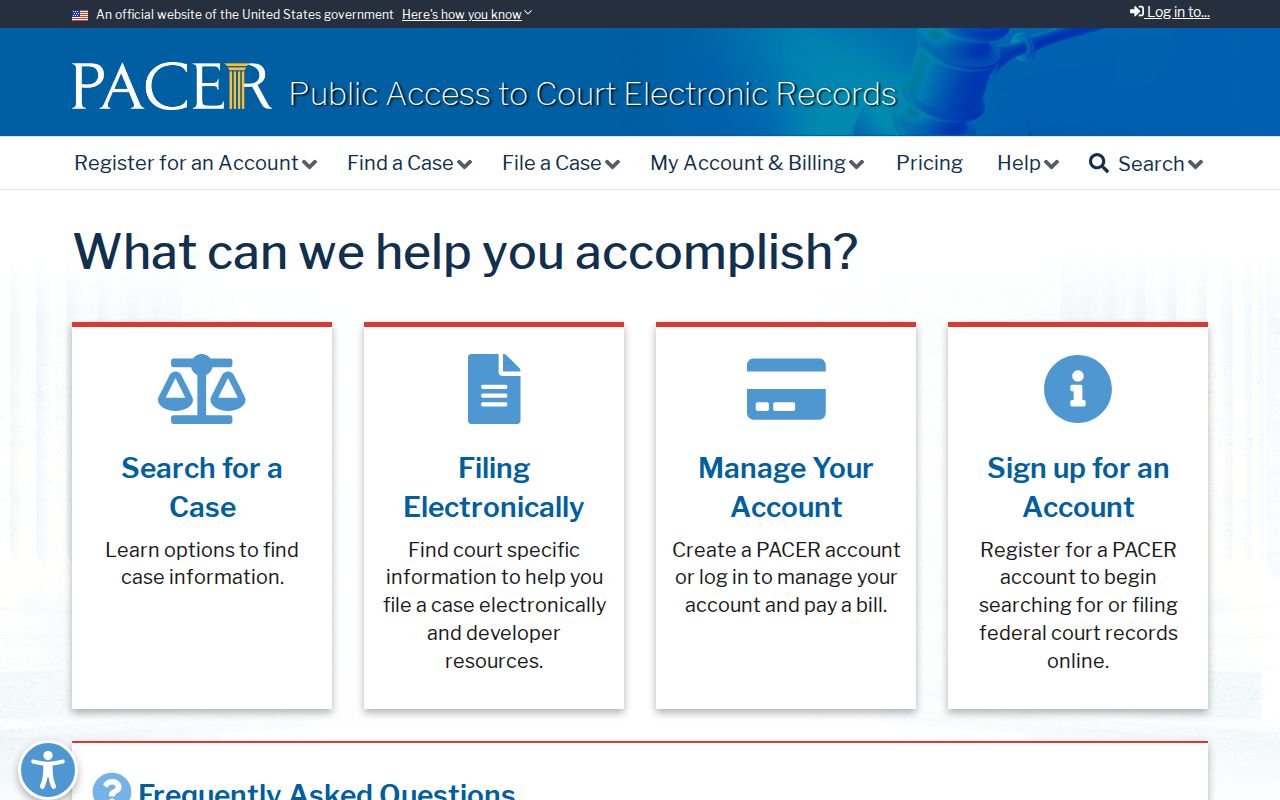
The federal search entry is a separate court path, so a missing state result does not answer a federal case question.
Duarte Vital Copies and Fees
California uses authorized and informational certified copies rather than a simple “open after a set number of years” rule. An informational copy contains the event information but is marked “Informational, Not a Valid Document to Establish Identity.” An authorized copy requires a qualifying relationship or role. Mailed authorized requests use a notarized sworn statement.
| Record | Custodian | Public Route | 2026 CDPH Fee |
|---|---|---|---|
| Birth | LA RR/CC or CDPH | Authorized or informational application | $31 |
| Death | LA RR/CC or CDPH | Authorized or informational application | $26 |
| Public marriage | LA RR/CC or CDPH | Public certified-copy application | $19 |
| Confidential marriage | Issuing county | Spouse or court order | $19 where applicable |
| Dissolution | LA Superior Court and CDPH | Court file and state certificate differ | $18 |
VS 111 covers birth, VS 112 death, and VS 113A public marriage. CDPH mails paper copies and does not email or fax images. It retains the search fee when no record is found and sends requests by First Class Mail. The California vital-record forms and 2026 fee schedule should be checked before an application is sent.
For a family-history resident lookup, a newspaper, census, directory, cemetery record, or probate file may establish an event lead without producing an identity-valid certificate. Adoption and original birth records are sealed and follow a distinct statutory process.
Duarte Ownership Is Not Occupancy
The Assessor Portal accepts an address or AIN, not an advertised general owner-name search. Its parcel card can provide situs, mapped parcel, assessment context, and an effective date. A deed can prove a recorded conveyance. Neither proves who lives there today. A mailing address can point somewhere else, and renters and household members do not appear simply because they occupy the parcel.
Use an address-to-person sequence with care: save the AIN, find the current recorded party if known, then compare that name with a court, voter, business, directory, or vital clue that fits the same dates. Preserve the record role in the worksheet. “Owner,” “grantee,” “permit applicant,” and “occupant” are not synonyms.
- Write the full name, variants, known address, and date clues before opening a result.
- Use the Assessor Portal to anchor a known address to an AIN and situs, without treating the parcel as occupancy proof.
- Search the LA Court service by case number or permitted name route, then compare party role, courthouse, filing date, and public docket details.
- Cross-check the name against a vital, directory, business, license, or voter source that fits the same person and time.
- Order a certified copy or request a correction only from the custodian that holds the record.
The county recorder maintains real-estate material from 1850 or 1851, but its index is arranged by grantor, grantee, and year at Norwalk. A known document can be ordered online, by mail, fax, or counter. Exploratory street research requires an in-person index task. This separation is central to a safe resident lookup.
Duarte Heir, Parent, or Classmate Trails
Different personal research goals call for different lawful trails. An heir search can begin with a decedent's probate case, public petition or notice, recorded property, obituary, and the names of heirs stated in public filings. A birth-parent search must use California's official adoption-information and court process rather than trying to defeat a sealed record. A former classmate may be found through Duarte or Monrovia yearbooks, historical directories, newspaper school coverage, and public alumni program material. The California Megan's Law registry is a separate public service with its own use limits.
For a business owner or licensed professional, pair California SOS bizfile with DCA License Search, a county fictitious-business-name filing, or a Duarte permit. DCA fields include board, license type, license number, business, first name, last name, and registry number. SOS filings can show entity number, status, agent, officers, managers, and filing history. These are affiliations and public roles, not residence proof.
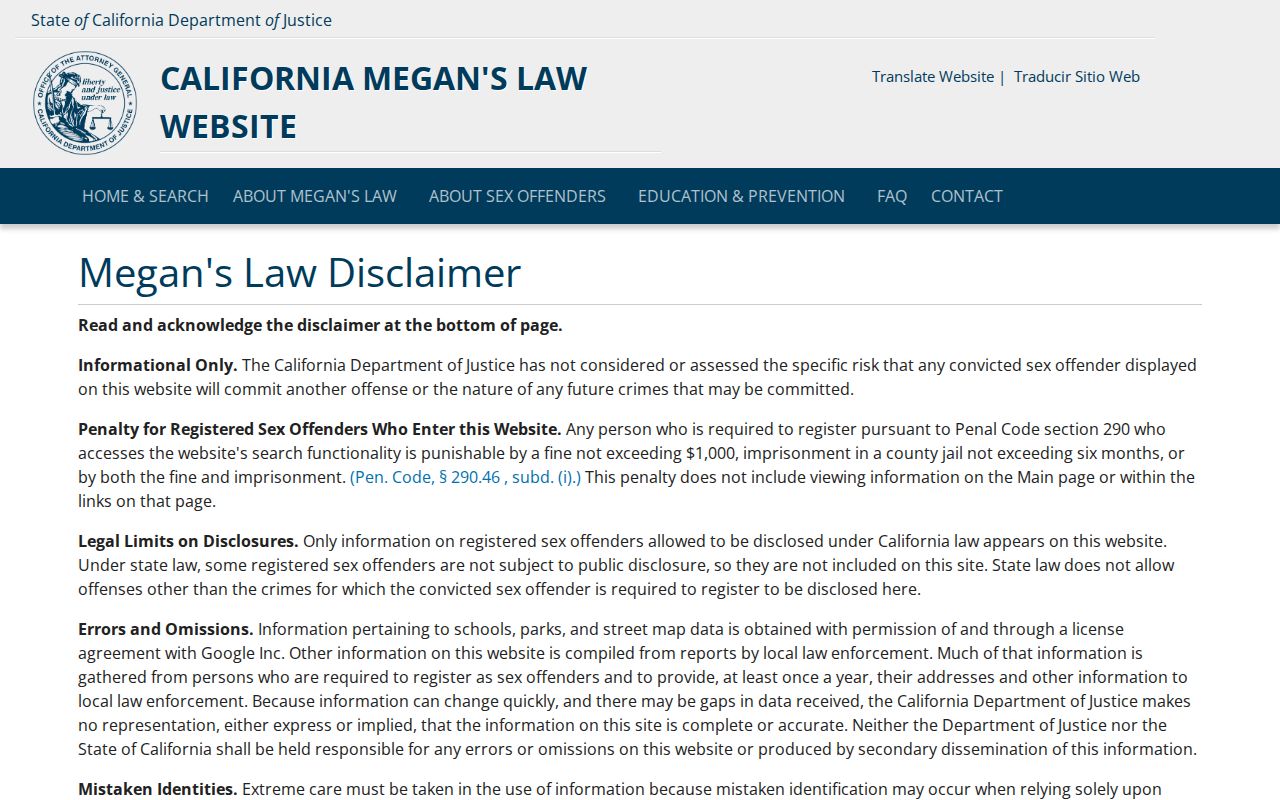
California's Megan's Law registry is a separate statutorily public service with its own warnings and use limits. The official California DOJ registry service entry is the appropriate route, and it should never be used to harass or threaten anyone.
Duarte Official Records and Dead Ends
Dead ends are part of a resident lookup. There is no public Internet recorder index, no routine voter street browse, and no comprehensive public renter roll. A court image may be unavailable even when a case summary exists. A vital copy may require eligibility, a notarized statement, a fee, and the correct form. A directory may have a missing year or omit a household.
Use the next access channel documented for the record. Visit the Norwalk recorder index by appointment. Ask the court clerk or public terminal for a case file location. Use the Heritage Room's in-person assistance and microfilm. Submit a narrow Duarte CPRA request for an existing permit, agreement, or city file. California Government Code section 7922.535 ordinarily gives an agency ten calendar days to determine whether responsive records exist, with a possible 14-day extension for unusual circumstances. Section 7922.530 addresses prompt access and direct duplication cost.
Ask the custodian to correct or explain its own record. The assessor handles roll data, RR/CC handles recording and vital services, the court handles docket or file procedures, DCA handles license data, and SOS handles entity filings. A general search result cannot correct an official record.
Note: A focused request for an existing record is more likely to work than a request asking an office to identify every person connected to a name or street.
Duarte Protected Records and Stop Points
California's Safe at Home Address Confidentiality Program gives qualifying victims and other eligible participants a substitute mailing address, mail forwarding, and a service-of-process agent. State, county, city agencies, and courts accept the designated address subject to exceptions. Voter identifiers and signatures, DMV information, adoption records, juvenile records, sealed filings, confidential reports, and protected court material can remain unavailable.
Lawful personal use. A Duarte resident lookup is for genealogy, reconnecting, civic research, and other personal purposes that respect consent and safety. Do not use records to stalk, harass, intimidate, threaten, or harm a person. Public access does not remove the duty to stop.
California privacy law can give covered consumers rights to know, delete, correct, or opt out of certain data uses, including brokered information. Those rights do not erase a lawful deed, court filing, or vital record. Commercial people-finder results can be stale or combine different people, so they are not a substitute for the custodian's record.
The right answer to “who is this?” is sometimes that the available record cannot safely or lawfully answer it. A careful lookup keeps that boundary visible.